By AS7 Editorial Team
5 min read
Aging is a natural part of life, but some everyday habits can make the skin show signs of aging earlier than expected. Fine lines, dryness, uneven skin tone, loss of firmness, and dullness can become more noticeable over time. While no skincare routine can stop the natural aging process, healthy daily choices may help protect your skin and maintain a healthier, more youthful-looking appearance for longer.
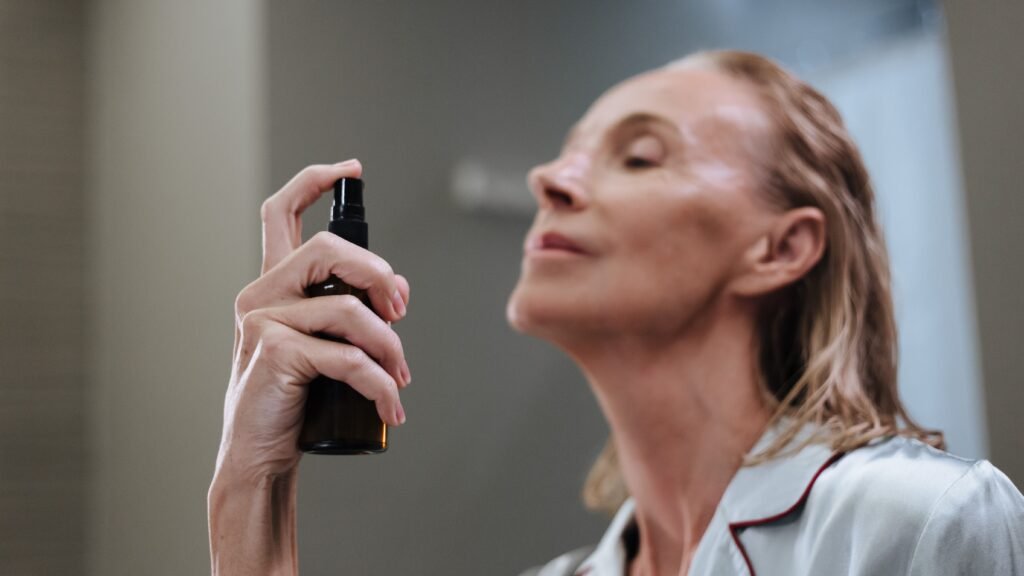
Understanding what contributes to premature skin aging is one of the first steps toward building a simple and effective skincare routine.
1. Protect Your Skin From the Sun
Sun protection is one of the most important parts of caring for your skin. Repeated exposure to ultraviolet (UV) radiation can contribute to premature skin aging, including wrinkles, uneven pigmentation, and changes in skin texture.
Using a broad-spectrum sunscreen with SPF 30 or higher can help protect your skin from harmful UV rays. Apply sunscreen to exposed skin before going outdoors and remember that sun protection is important even on cloudy days.
Wearing sunglasses, seeking shade, and using protective clothing can provide additional protection when spending extended periods outside.
2. Keep Your Skin Moisturized
As skin ages, it may become drier and less able to retain moisture. A good moisturizer can help support the skin barrier and reduce the appearance of dryness.
Choose a moisturizer that suits your skin type and apply it regularly, especially after cleansing. Ingredients such as hyaluronic acid, glycerin, ceramides, and squalane are commonly used in skincare products designed to support hydration.
Hydrated skin often appears smoother, softer, and more radiant.
3. Avoid Over-Cleansing Your Skin
Cleansing is essential, but washing your face too frequently or using harsh cleansers may remove natural oils from the skin.
Use a gentle cleanser and avoid extremely hot water. For many people, cleansing in the morning and evening is sufficient.
After washing your face, gently pat your skin dry instead of rubbing it aggressively with a towel.
4. Build a Simple Skincare Routine
A complicated routine is not always a better routine. Consistency is often more important than using a large number of products.
A basic routine may include a gentle cleanser, moisturizer, sunscreen, and carefully selected products that address your individual skin concerns.
Introducing new skincare products gradually can also make it easier to notice irritation or sensitivity.
5. Consider Proven Skincare Ingredients
Some skincare ingredients have been studied for their potential role in improving the appearance of aging skin.
Retinoids and retinol, for example, are commonly used to address fine lines and uneven skin texture. Vitamin C is often included in antioxidant skincare products, while ingredients such as niacinamide can help support the skin barrier and improve overall appearance.
However, stronger ingredients can cause irritation in some people. Start gradually, follow product instructions, and consult a dermatologist if you have persistent irritation or specific skin concerns.
6. Support Your Skin With Healthy Lifestyle Habits
Skincare products are only one part of maintaining healthy-looking skin. Your overall lifestyle also matters.
Eating a balanced diet that includes fruits, vegetables, protein, and healthy fats provides nutrients the body needs. Getting adequate sleep and maintaining regular physical activity can also support general health.
Smoking can accelerate visible skin aging, so avoiding tobacco is particularly important for both skin and overall health.
7. Be Gentle With Your Skin
Constant rubbing, picking, or using overly aggressive exfoliating products can irritate the skin.
Exfoliation may help remove dead surface skin cells, but more is not necessarily better. Excessive exfoliation can damage the skin barrier and lead to dryness, redness, or sensitivity.
Pay attention to how your skin responds rather than following every new skincare trend.
8. Make Healthy Skin a Long-Term Habit
There is no single product that can completely prevent skin aging. Instead, healthy-looking skin is usually supported by consistent habits practiced over time.
Daily sunscreen, gentle cleansing, adequate moisturizing, appropriate skincare ingredients, and healthy lifestyle choices can all play a role.
The goal should not be to stop aging. Aging is natural. A better approach is to protect your skin from preventable damage and help it remain healthy, comfortable, and well cared for at every age.
Final Thoughts
Premature skin aging is influenced by several factors, including sun exposure, lifestyle habits, and skincare practices. Small changes made consistently can help protect the skin and improve its appearance over time.
Start with the basics: protect your skin from the sun, keep it moisturized, use gentle products, and choose skincare ingredients carefully. A simple routine that you can maintain is often more valuable than constantly changing products in search of a quick solution.
Healthy skin is not about looking a certain age—it is about taking good care of the skin you have.