By AS7 Editorial Team
5 min read
What does your skin really need to stay healthy?
The answer is simpler than you might think. Healthy skin does not depend on expensive products or complicated routines. It begins with understanding your skin, protecting its natural barrier, and giving it what it truly needs.
Healthy skin habits begin with simple daily choices that protect your skin, maintain moisture, and support its natural barrier.
With gentle care, daily protection, and consistent habits, healthy skin becomes something you build every day — not something you chase.
Table of Contents
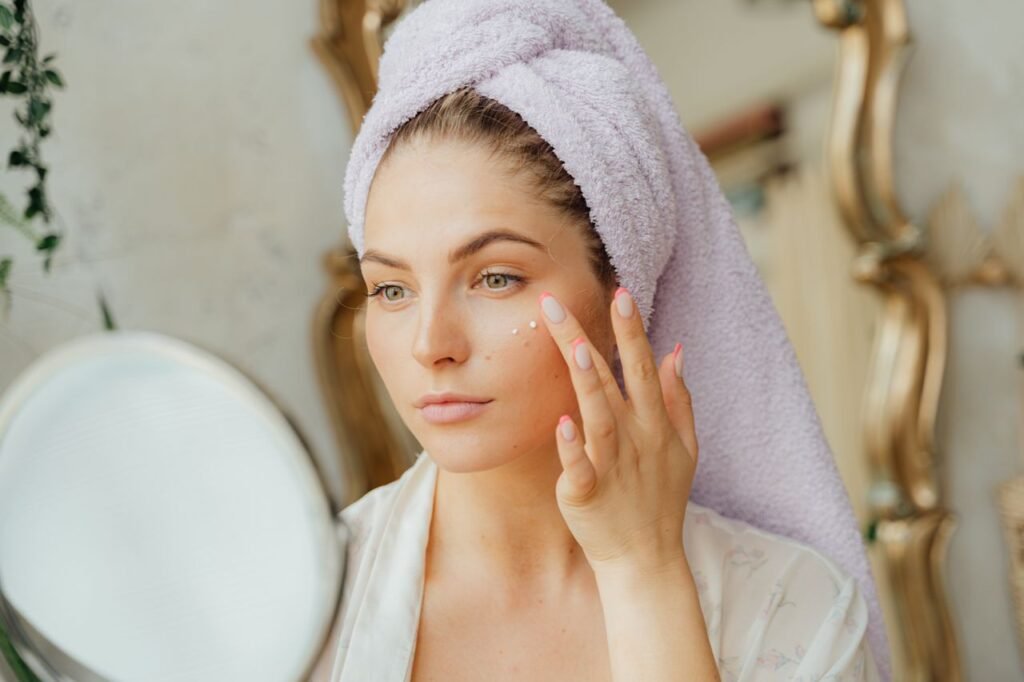
Why Healthy Skin Matters
Your skin is the body’s largest organ and its first protective barrier. A healthy skin barrier↗ helps keep moisture inside while protecting the skin from irritants and environmental damage↗.
When this barrier becomes weak, the skin may feel dry, tight, sensitive, itchy, or irritated. Some people may also notice more redness or breakouts.
The goal of skincare should not simply be to make the skin look better. It should also help the skin stay comfortable, balanced, and protected.
Start With a Gentle Cleanser
Cleansing removes sweat, excess oil, sunscreen, makeup, and dirt that collect on the skin during the day.
However, washing too often or using harsh cleansers can remove too much of the skin’s natural oil. This may leave the face feeling tight and dry.
Choose a gentle cleanser↗ that suits your skin type. For many people, cleansing twice a day is enough.
Your face should feel clean after washing — not stripped or uncomfortable.
Moisturize to Support Your Skin Barrier
Moisturizer does more than make the skin feel soft. It helps reduce moisture loss and supports the skin barrier.
Dry skin often benefits from richer creams, while oily skin may feel more comfortable with lightweight lotions or gels.
Remember that oily skin can still be dehydrated. Producing oil does not necessarily mean that your skin has enough moisture.
Sunscreen Is a Daily Habit
Sun protection is one of the most important parts of a skincare routine.
Ultraviolet radiation contributes to sunburn, uneven pigmentation, and premature signs of skin aging.
Use a broad-spectrum sunscreen with SPF 30 or higher on exposed skin. Reapplication is particularly important when spending extended periods outdoors, sweating, or swimming.
Sunscreen should not be reserved only for beach days. Make it part of your normal morning routine.
Be Careful With Active Ingredients
Ingredients such as retinoids and exfoliating acids can be useful for some skin concerns, but using too many active ingredients at the same time may irritate the skin.
More products do not automatically produce better results.
Introduce new products gradually and pay attention to how your skin responds. If you experience persistent burning, redness, swelling, or irritation, stop using the irritating product and consider professional advice.
Healthy Skin Habits That Make a Difference
Healthy skin habits work best when they are simple enough to follow every day.
Skincare products are only one part of healthy skin habits caring for your skin.
Adequate sleep↗, a balanced diet, avoiding smoking, managing stress, and following a consistent routine can all support general skin health.
Water is important for overall health, but drinking more water is not a replacement for moisturizer or treatment for a damaged skin barrier.
Common Skincare Mistakes
Some habits can make your skincare routine unnecessarily harsh:
• Washing your face too often.
• Scrubbing the skin aggressively.
• Using several strong products at the same time.
• Picking or squeezing pimples.
• Skipping sunscreen.
• Changing products every few days.
When irritation appears, adding more products is not always the answer. Sometimes, simplifying your routine is exactly what your skin needs.
When Should You See a Dermatologist?
Home skincare has limits.
Consider seeing a dermatologist if you have persistent or severe acne, painful cysts, unexplained rashes, significant pigmentation changes, ongoing itching, or a skin problem that does not improve.
Professional evaluation is especially important when a condition is painful, rapidly changing, or causing scars.
Final Thoughts
Healthy skin is built through protection, consistency, and understanding your own skin.
You do not need a shelf full of products.
Start with the essentials: gentle cleansing, appropriate moisturizing, and daily sun protection. Add other products only when they have a clear purpose.
Simple skincare is not about doing less for your skin. It is about doing what your skin actually needs.
Key Takeaways
✓ Cleanse gently and avoid over-washing.
✓ Moisturize according to your skin type.
✓ Use broad-spectrum SPF 30+ sunscreen.
✓ Introduce strong active ingredients gradually.
✓ Avoid picking or squeezing breakouts.
✓ Seek professional advice for persistent or severe skin problems.